 Reviews

 Proudly American

It is a familiar morning struggle. You jump into the shower hoping for a warm wake-up call, but the water turns ice cold after five minutes because someone else used the shower before you.
If you are tired of fighting for hot water, you have probably heard about tankless water heaters. They promise endless hot water and lower energy bills. But are they really as good as people say?
In this guide, we will look at how they work, how long they last, and if they are a smart financial choice for your home.
What is a Tankless Water Heater?
Most homes have a traditional storage tank heater. This is a big metal cylinder that holds 40 to 50 gallons of water. It heats that water 24 hours a day so it is ready when you need it.
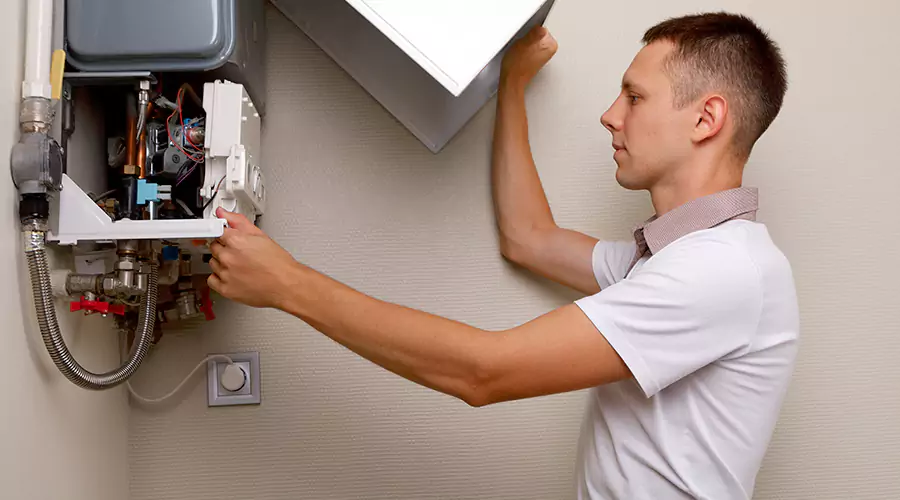
A tankless unit is different. It does not store any water. Instead, it heats the water on demand.
When you turn on the hot water tap, cold water travels through a pipe into the unit. A gas burner or an electric element heats the water instantly as it passes through. As long as you have the tap on, you have hot water. You can never "empty" the tank because there is no tank.
The Efficiency Factor
The biggest selling point for tankless heaters is energy efficiency.
Traditional tanks have a problem called "standby heat loss." Because the tank keeps water hot all day and night, it uses energy even when you are asleep or at work. It is like leaving your car running in the driveway just in case you need to drive somewhere.
Tankless units eliminate this waste. They only burn gas or use electricity when you actually turn on the faucet.
With proper Tankless Water Heater Maintenance, this on-demand performance stays reliable and efficient over time.
According to energy experts, a tankless water heater can be 24% to 34% more energy-efficient than a conventional storage tank for homes that use a moderate amount of hot water. This efficiency translates directly into lower monthly utility bills.
Lifespan: How Long Do They Last?
When you buy a major appliance, you want to know how long it will last before you have to replace it.
- Traditional Storage Tanks: These usually last 10 to 15 years. Over time, the minerals in the water eat away at the steel tank, leading to rust and leaks.
- Tankless Units: These are designed to last 20 years or more. Since they do not hold standing water, they are less prone to rust and corrosion.
Many tankless models also have easily replaceable parts. If a component breaks, you can often fix it without needing to replace the entire unit. This extends the life of the system significantly.
The Cost Analysis
This is the most important part for most homeowners. Is the switch worth the money?
Upfront Cost
Tankless heaters are more expensive to buy and install.
- A traditional tank might cost you less upfront for the unit and installation.
- A tankless unit can cost two to three times more than a standard tank.
Why is the installation higher? Tankless units often require upgrades to your gas lines or venting systems to handle the high power needed to heat water instantly.
Long-Term Savings
While you pay more on day one, you save money every month after that.
- Energy Bills: You could save hundreds of dollars a year on gas or electricity.
- Replacement Costs: Remember that a tankless unit lasts twice as long. In the 20 years you own one tankless unit, you would likely have to buy and install two traditional tanks.
When you do the math over 20 years, the tankless unit often ends up being cheaper overall.
Pros and Cons at a Glance
The Pros
- Endless Hot Water: You can fill a bathtub and run the dishwasher at the same time without running out.
- Space Saving: Tankless units are small boxes that mount on the wall. They take up much less space than a giant metal tank.
- Clean Water: Water is not sitting in a rusty tank for hours accumulating sediment.
The Cons
- High Initial Cost: The purchase price and installation are expensive.
- Flow Rate Limits: If you try to run two showers and the washing machine all at once, the heater might struggle to keep up. You need to size the unit correctly for your family size.
- Maintenance: Tankless units need to be flushed with vinegar once a year to remove mineral buildup.
Conclusion
A tankless water heater is a fantastic upgrade for modern homes. If you plan to stay in your house for many years, the investment pays off through lower bills and a longer lifespan. Plus, the luxury of never running out of hot water is hard to beat.
However, if you are on a tight budget right now or plan to move soon, a traditional tank might still be the practical choice.
Are you unsure which model is right for your home? Contact us today. We can assess your water usage and give you a clear quote for both options so you can make the best decision.